

Rock & roll has continued to thrive seven decades after it was born. The genre has adapted and changed, dipped in form, and been reborn. Arguably, its best decade was the most ironic: the 1970s.
In the same disco, disco became too much of a musical force, perhaps in reaction to rock owning the airwaves in the 1960s and early '70s. That unworthy subgenre was overproduced and saccharine with no real heart or soul.
Thankfully, the rock that was around at the same time still had a touch of rawness that is always needed for the genre to thrive. Some of the tracks below are great examples of the era, but they happened just before the bands that created them began to diminish.
1970s rock gems that were created before the bands turned bad
"Roll with the Changes" - REO Speedwagon
REO Speedwagon's terrific Hi Fidelity was released in 1980 and was their last very good album, but this song is from the oddly named, and yet still fantastic, record, You Can Tune a Piano, but You Can't Tuna Fish. If there was ever a perfect road song, it is "Roll with the Changes."
The live version of the track is even better as it builds off the energy of the studio track, which came in at three minutes and 49 seconds and could have been three more minutes and been just fine.
The single peaked only at No. 58 on the Billboard charts, but it is a must-listen nearly 50 years later because of how well-constructed it is. The shame is that the band became better known for fluffy ballads in the 1980s, ones that were better left for junior high dances.
"More Than a Feeling" - Boston
Overplayed? Almost certainly, but the song is worthy of all the airplay it gets. A wall-of-sound feel, one that clearly influenced later bands like the Smashing Pumpkins, and took almost seven years to perfect, made Boston sound different in the 1970s and still seems different today.
Tom Scholz's layered guitar effect was painstaking and precise, and exactly what was needed to set the tune apart. Brad Delp's vocals are elite too, while not exactly full of rage. He was a rock singer, sure, but with enough nuance to do just about anything he might want to.
But this track, like all of Boston's first couple of records, is Scholz's work, and the albums are mostly terrific. Maybe he only had a handful of tracks in him, however, because the band's ;ater releases seem like sad attempts to reestablish what the first record (Boston) was.
"Lovin,' Touchin,' Squeezin'" - Journey
Steve Perry and his mates (at the time) delivered gem after gem in the 1970s, but in the 1980s they mostly became a shell of what they once were. Their sound became less pure rock and more pop-rock, selling out to the money brought in by huge-selling ballads.
The title of the song is purposefully ironic, and it implies it's a love song, but it is the exact opposite. The track is about the narrator's girlfriend stepping out on him, but the person the girlfriend cheats with then cheats on her. She returns to the narrator in hopes of reconciling their problems, and he says no.
What makes the song that hit No. 16 in the United States truly memorable is the "na na na"s at the end. Singing along isn't an option, but a must.
"L.A. Woman" - The Doors
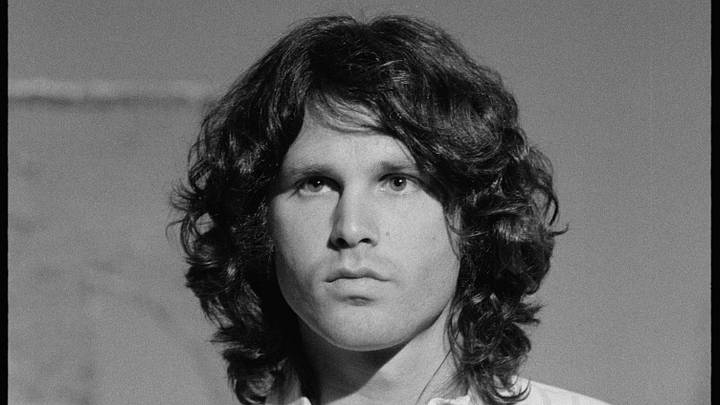
The Doors don't really fit the mold of the others on this list. The issue for the band was that they lost Jim Morrison too soon, though unless he had been able to kick his drug habits, he might not have helped the group fade out in style.
"L.A. Woman" was released in 1971, was the title track to the album on which it appeared, was never released as a single, but was the band's last true gem. The "Mr. Mojo Rising" part appears to come somewhat out of nowhere, but is impossible not to chant along with.
The Doors made two more albums without Morrison, but they aren't good. If any frontman was ever impossible to replace, it was Morrison.
 Add us as a preferred source on Google