

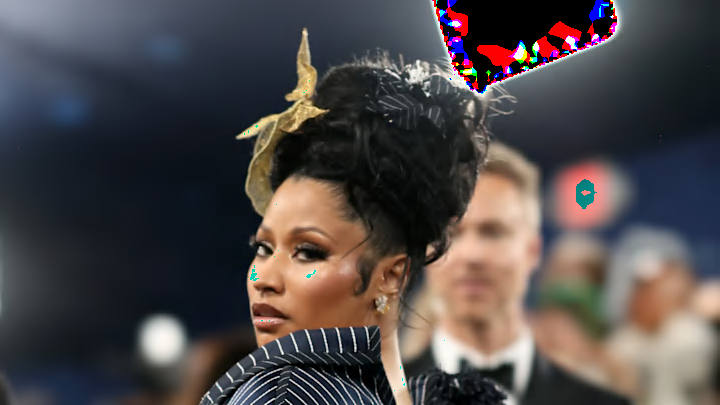
Nicki Minaj has been trending everywhere, but not for her music. In recent weeks, the iconic rap star has faced a wave of criticism online that has taken a surprising turn. A petition demanding she be deported has not just gained traction, it’s gone viral.
Fans and critics alike are talking about it. Some see it as a shocking escalation in the ongoing drama surrounding one of rap’s most influential figures. Others are questioning what this means for hip hop culture and how artists are treated when controversies hit.
By the time of publication, more than 80,000 people had signed the petition on Change.org. That’s a huge number, especially in a world where rap headlines usually revolve around a new album or tour.
Petition to deport Nicki Minaj gains over 80,000 signatures
The online campaign was started by someone using the name “Pedonika Minaj.” In the petition’s explanation, they argue that Nicki Minaj should be deported because she isn’t a United States citizen, a claim tied to her own social media statements in 2024.
The description doesn’t just focus on immigration status. It also includes sharp criticism of Minaj’s behavior and personal relationships. One of the most talked about accusations is that she has “harassed the Carters (Beyoncé and Jay-Z).” That allegation stems from ongoing disputes between the artists and their respective fan bases.
The petition also brings up Minaj’s marriage to Kenneth Petty, a part of her personal life that has frequently attracted media attention. The creator wrote:
“Despite the gravity of his past actions, Minaj continues to fiercely defend [Petty], reportedly going as far as intimidating and threatening his victims.” This language has intensified online reactions, especially in the world of hip hop, where personal loyalty and public image often collide.
Backlash after Turning Point USA appearance adds fuel to the fire
The petition’s rise came shortly after Nicki Minaj made an unexpected appearance at a Turning Point USA event. There, she openly praised the current U.S. leadership.
In her remarks, she said: “This administration is full of people with heart and soul, and they make me proud of them. Our vice president...he makes me...Well, I love both of them.”
Her supporters in the rap community were surprised, and some critics were quick to voice their frustration. Even fellow artists, including Joe Budden, publicly distanced themselves from her after the event.
Across social platforms and hip hop forums, discussion continues to build. Some argue that the petition reflects deeper tensions in rap culture. Others say it’s a misguided response that distracts from the real issues artists face.
Whatever happens next, this moment shows how quickly conversations about rap, celebrity, and influence can shift, and how passionate the hip hop world remains.
 Add us as a preferred source on Google