

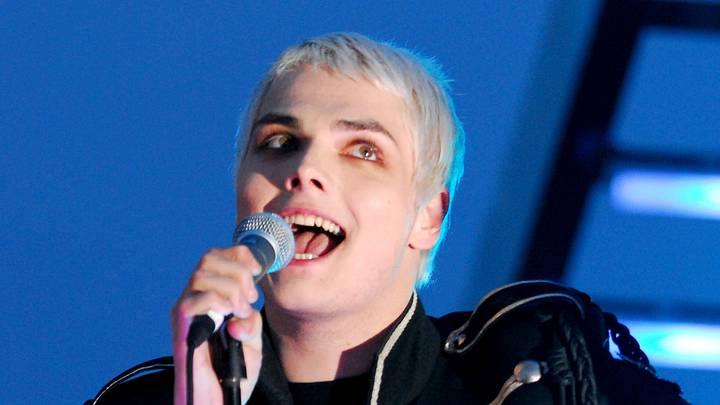
Compared to other major rock bands that broke through in the mainstream in the 2000s, My Chemical Romance had a pretty small discography.
But there aren't many bands from the era that had the type of lasting influence and legacy as MCR. Across four studio albums and multiple charting singles on the Billboard Hot 100, MCR evolved drastically, moving from the gritty post-hardcore that was laden in their debut studio album to the iconic emo and alternative rock sound that defined their biggest records.
MCR completely redefined themselves again for their fourth and (at least to this day) final studio album, Danger Days. They pivoted to more of a pop-punk sound with very lavish glam rock and synth-pop instrumentation on their last studio album.
Every My Chemical Romance album ranked from worst to best
This evolution also makes it difficult to compare their four albums in a ranking like this one. Each record represents a different era and sound for the band, each with its own distinct influence and aesthetic in the band's history.
4. I Brought You My Bullets, You Brought Me Your Love
The album that started it all for MCR. Their debut studio album featured a very intense and raw 11-song tracklist that felt erratic and fragmented at the same time. Released in 2002, I Brought You My Bullets, You Brought Me Your Love set the stage for the future superstardom MCR would achieve in mainstream rock.
The origins of MCR are closely connected to the September 11 attacks, which Gerard Way witnessed from across the Hudson River and that helped inspire him to pursue music and form the band.
That experience also inspired the song "Skylines and Turnstiles," which eventually appeared on the band's debut studio album. MCR fused elements of hard rock, post-hardcore, punk rock, and horror punk into a distinct and pugnacious sound on the record.
While the band's debut studio album didn't have the same impact or consistency throughout its tracklist as their next two records, it still showed just how much potential MCR had.
3. Danger Days: The True Lives of the Fabulous Killjoys
This is probably the boldest take on this entire list, saying that MCR's latest studio album, Danger Days, is better than their debut studio album. In many ways, this album was ahead of its time when it was released in 2010.
Set in late 2010s California, Danger Days tells a story about a group of rebels fighting against a mega-corporation. All of the tracks on this album are presented as a sort of pirate radio broadcast from DJ Dr. Death Defying, which paints a picture of a bold storytelling concept told in a more theatrical light.
Danger Days: The True Lives of the Fabulous Killjoys was a big aesthetic and stylistic switch-up from MCR's previous three studio albums. This album saw MCR shift away from the in-your-face emo and hardcore sound that had defined much of their previous work.
After the theatricality and intensity of albums like Three Cheers for Sweet Revenge and The Black Parade, MCR moved away from the emo sound and proved they couldn't fit into just one mold or genre.
What makes this album so underrated is how smoothly MCR transitioned into more accessible mainstream rock songwriting and instrumentation, even incorporating some pop crossover appeal while maintaining the energy and entertainment value of their previous projects. Purely in terms of entertainment value, Danger Days might be the most fun listen I've had on any MCR album.
2. Three Cheers for Sweet Revenge
Three Cheers for Sweet Revenge really marked the beginning of the era that defined MCR's iconic emo rock sound in the mid-2000s. This was a big step up and a big stylistic shift from MCR's debut studio album, taking more of a turn toward a punk and alternative sound, instead of the more hardcore and screamo sound they had on their debut.
In many ways, MCR completely upgraded their production, instrumentation, songwriting, and hooks on this album compared to their debut from a couple of years prior. Three Cheers for Sweet Revenge had MCR's catchiest hooks and melodies yet, and it probably had the most stripped-back and electric energy of any of their studio albums, maybe outside of The Black Parade.
What really set this album apart from the rest of its contemporaries in the emo and more melodic post-hardcore sound at the time was how catchy it was.
MCR combined the in-your-face energy and striking guitar riffs with songwriting and choruses that were memorable to fans across many different rock and pop subgenres, especially on standout tracks on the project like "The Ghost of You," "Helena," and "Cemetery Drive."
As MCR's discography has aged, there's also been a growing argument among fans and critics that Three Cheers for Sweet Revenge can stand toe-to-toe with the album more commonly considered the band's magnum opus, The Black Parade.
1. The Black Parade
Without a doubt, the most iconic album in MCR's discography, The Black Parade defined a whole generation of emo and alternative rock music in the mainstream genre in the mid-to-late 2000s.
The Black Parade isn't just MCR's best album; it's also one of the most iconic emo and mainstream rock records of the entire decade of the 2000s. From the amazing storytelling to the catchy songwriting and spotless instrumentals, The Black Parade is the most polished and cohesive album in MCR's discography.
The theatricality of The Black Parade is also what helped separate it from so many of the other mainstream emo records released around the same time.
Way's rangy and dramatic vocal performances are matched by some of the band's most ambitious instrumentation, allowing MCR to boast both explosive rock songs and slower and more emotionally vulnerable moments without disrupting the album's cohesion.
This album also managed to do what relatively few emo albums of its era could: transcend the scene and appeal to listeners well outside of the traditional emo and punk audience.
Not only is this album one of my personal favorites in mainstream rock and emo from the first decade of the 2000s, but it's also one of the most replayable and classic records for many millennial and even some Gen Z audiences that have gotten into the genre in the 2020s.
 Add us as a preferred source on Google